
Finding a remote job as a recent graduate is one of the most searched topics on the internet right now, and for good reason. The US job market has thousands of remote roles across multiple industries, many of which are entry-level and open to candidates with limited experience. But the competition is real, the scams are real, and the frustration of applying to hundreds of jobs without hearing back is very real too.
This guide walks you through everything you need to know: what remote jobs in the US actually mean, which roles are most accessible for fresh graduates, where to find them, and how to stand out when you have little to no experience. No fluff, no shortcuts. Just a clear, honest picture of what this path looks like and how to make it work.
What Remote Jobs in the US Really Mean
Before you start applying, it helps to understand what "remote" actually means in the US job market, because not all remote jobs are the same.
There are four main types of remote arrangements you will come across:
- Fully remote with no location restriction - open to applicants anywhere in the world, as long as you have the right skills and a stable internet connection.
- US-only remote roles - require you to be a US resident or have valid work authorization. Many companies list these as "remote" without making the location requirement obvious.
- Remote roles with time zone requirements - the work is remote, but you must be available during specific US business hours, usually Eastern or Pacific time.
- Hybrid roles - described as remote but still require occasional in-person presence at an office or location.
Understanding this early saves you from wasting time applying to roles you are not eligible for. Always read the full job description and look for phrases like "must be authorized to work in the US" or "must reside in [state]" before applying.
Why Recent Graduates Are Targeting Remote Jobs in the US
The appeal is straightforward. The US job market is one of the largest in the world, with a high volume of entry-level roles across tech, administration, customer support, and marketing. Many companies already operate remotely as a standard part of their workflow, which means hiring remote candidates is not a new concept for them. It is just how they work.
For graduates, the practical reasons are clear:
- You are not limited by geography. A graduate in Lagos or Manila can apply for the same role as someone in New York.
- Some roles accept candidates with limited experience if you can demonstrate the right skills.
- You can build a professional track record without relocating or taking on the cost of living in a major US city.
That said, recent data consistently shows rising competition and underemployment among graduates in the remote job market. Strategy matters far more than volume. Sending out 200 generic applications is less effective than sending 20 tailored ones to roles you are genuinely qualified for.
Is This Route Worth It for Recent Graduates?
Yes, but not without effort and the right expectations.
Remote jobs are growing. A significant and growing share of the US workforce now works remotely in some capacity, and job listings continue to expand across industries. The opportunity is real. But so is the competition.
One hiring manager summed it up bluntly in a widely shared online discussion: "We posted one role and got thousands of applicants." That is the reality of remote work for entry-level candidates. The barrier to applying is low, which means everyone applies, which means standing out becomes harder.
Remote work works best for recent graduates who approach it with:
- A clear focus on one or two specific role types rather than applying to everything
- Relevant skills, even basic ones, that match what employers are asking for
- Consistent applications over weeks, not just a few days of effort
- Patience and a willingness to start small and build up
If you go in with that mindset, this route is absolutely worth pursuing.
Would This Route Be Recommended for Recent Graduates?
It can be, with realistic expectations attached.
Remote work is a good fit if you have basic digital skills, can communicate clearly in writing, and are comfortable working with limited supervision. Most remote roles require you to manage your own time, respond to messages without being prompted, and figure things out without someone sitting next to you. If that sounds manageable, you are already ahead of many applicants.
It may not be the right starting point if you need heavy hands-on training, are still building very fundamental skills, or are applying to roles where you have no relevant background at all.
A pattern that works well for many graduates is to start with contract or part-time remote work, use that to build experience and references, and then move into more stable full-time roles once you have something concrete to show.
Types of Remote Job Arrangements Explained
Remote work is about location. Job type is about structure. The two are separate, and understanding both helps you make better decisions about what to apply for.
Full-Time Remote Jobs
Full-time remote roles come with fixed hours, consistent workload, and usually a more structured onboarding process. They tend to be more competitive because the stability attracts a larger pool of applicants. For a recent graduate, landing a full-time remote role from the start is possible but harder, especially with no prior experience.
Part-Time Remote Jobs
Part-time roles are often a better entry point. They come with fewer hours and more scheduling flexibility, and they are common in support, writing, and admin work. Many companies use part-time remote hires to test candidates before moving them to full-time. Think of a part-time remote role as a low-risk way to prove yourself.
Contract and Freelance Remote Jobs
Contract and freelance roles are project-based. You are hired to complete a specific task or work for a set period, then the engagement ends. These are very common in writing, tech, and virtual assistant work. They pay less consistently, but they are often the fastest way to build experience and get real work on your resume. Many successful remote workers started with small freelance contracts before transitioning to stable employment.
Which Type Is Better?
Full-time offers stability. Part-time offers flexibility. Contract roles offer speed of entry. There is no single best option. The right choice depends on your current skill level, your financial situation, and how quickly you need income. If you need something fast, contract work is your best starting point. If you can afford to be selective, targeting part-time or full-time roles gives you a better long-term foundation.
Benefits of Remote Jobs in the US for Recent Graduates
Access to More Opportunities
The US job market is large. Searching remotely instead of locally multiplies the number of roles you can apply to many times over. Instead of being limited to what is available in your city or country, you are competing in a global pool of listings, which means more options and more chances of finding a good match.
Competitive Pay Potential
US-based remote roles often pay more than equivalent roles in local markets, especially for graduates in countries where salaries are lower. Even entry-level US remote jobs can offer salaries that are significantly higher than local equivalents in many parts of the world. This is one of the biggest practical reasons graduates target this market specifically.
Skill-Based Hiring
Many remote employers, especially startups and tech companies, care more about what you can do than what your degree says. If you can demonstrate a relevant skill through a portfolio, a test task, or a practical example, that often carries more weight than your academic credentials. This is genuinely good news for recent graduates who feel their degree alone is not enough.
Flexible Work Structure
Many remote roles allow flexible hours or asynchronous work, meaning you do not have to be online at a fixed time every day. This gives you room to manage other commitments, continue learning, or take on additional freelance work while building your career.
Career Growth and Global Exposure
Working remotely for a US company, even in a junior role, gives you exposure to professional standards, tools, and communication styles that are globally recognized. The experience you build, the references you earn, and the portfolio you develop all carry weight when you apply for your next role, whether remote or in-person.
Best Remote Jobs for Recent College Graduates
These are the roles that consistently appear across job boards and hiring communities as the most accessible entry points for fresh graduates.
Customer Support Roles
Chat and email support is one of the most common entry-level remote jobs available. Companies of all sizes hire remote support agents, and many provide training. The main requirements are clear written communication and patience. If you can explain things simply and stay calm under pressure, you can do this job.
Virtual Assistant Jobs
Virtual assistants handle admin tasks, scheduling, research, inbox management, and basic coordination for clients or companies. The work is flexible, the barrier to entry is low, and the skills you build, specifically organization and professional communication, transfer well to almost any other role.
Content Writing and Copywriting
Content writing is one of the strongest options for graduates who write well. Companies need blog posts, product descriptions, social media content, email newsletters, and SEO articles on a constant basis. If you can write clearly and meet deadlines, you can find paid work here relatively quickly. A small portfolio of samples, even self-published ones, makes a significant difference.
Junior Tech Roles
QA testing, technical support, junior development, and entry-level data roles are all growing in demand. If you have any technical background, even from self-study or personal projects, these roles offer strong pay and clear paths to advancement. A GitHub profile with a few personal projects can carry the same weight as formal experience for many employers.
Sales and Outreach Roles
Lead generation, cold email outreach, and sales development representative roles are performance-based but often open to candidates without experience. If you are comfortable with rejection, enjoy talking to people, and can be organized about follow-ups, sales roles are one of the more accessible entry points in the remote job market.
Remote Jobs for Graduates With No Experience
"Entry-level" rarely means zero skill. Most listings that say "no experience required" still expect you to arrive with basic computer skills, a professional communication style, and the ability to learn quickly. What they mean is that they will not require a specific job history, not that they expect you to know nothing at all.
The roles that genuinely require the least prior experience are:
- Customer support (chat and email)
- Virtual assistant work
- Basic content writing
- Simple admin and data roles
Fully unskilled roles like pure data entry are becoming less common as automation handles more of that work. The more valuable approach is to identify one role type and spend two to three weeks building the minimum skills required before applying. Even a short online course and a few sample projects change how your application reads.
How Recent Graduates Can Find Remote Jobs in the US
This is the core process that works consistently:
- Choose one realistic job category based on your existing skills and interests. Trying to apply for everything at once dilutes your effort and produces generic applications.
- Learn the basic skills required for that role. Most entry-level remote roles have a short list of tools or abilities they expect. Close those gaps first.
- Search across multiple job platforms. No single site covers everything. Using three or four platforms at once significantly increases your exposure to available listings.
- Filter based on eligibility. Only apply to roles that are genuinely open to your location and authorization status. Applying to US-only roles from outside the US wastes your time.
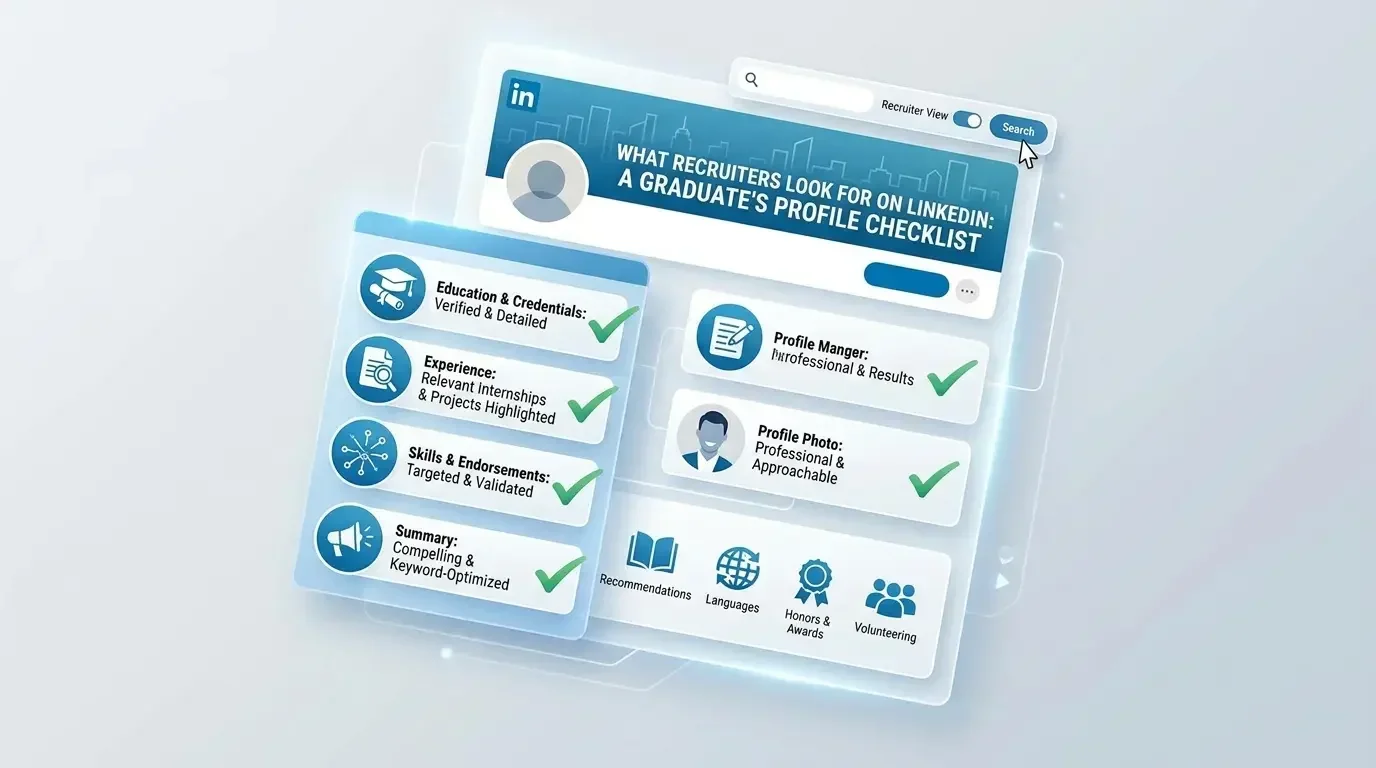
- Tailor your resume to each role. Use keywords from the job description. A resume that mirrors the language of the posting performs better in automated screening systems.
- Apply consistently. Five to ten targeted applications per day, five days a week, over several weeks is more effective than a burst of fifty applications in one day.
- Track everything. Use a simple spreadsheet to log where you applied, when, and whether you heard back. This helps you spot patterns and follow up at the right time.
Where to Find Remote Jobs
Using multiple platforms at the same time gives you the broadest coverage. Here is where to look:
- General job boards: Indeed, LinkedIn, ZipRecruiter, and Glassdoor all have remote filters. Search "remote entry-level [job title]" and set location to "Remote."
- Remote-specific platforms: We Work Remotely, Remote.co, FlexJobs, and Remotive list roles exclusively from companies that hire remotely. These tend to have higher quality listings with less noise.
- Company career pages: If you know specific companies you want to work for, go directly to their careers page. Many list remote roles that do not appear on job boards.
- Freelance marketplaces: Upwork, Fiverr, and Toptal are useful for building experience through contract work while you search for more stable roles.
- LinkedIn network: Beyond job listings, LinkedIn is useful for connecting with people in roles you want. Many candidates land interviews through a direct message to the right person, not through a formal application.
- Reddit communities: Subreddits like r/forhire, r/remotework, and r/jobs share real job leads and honest advice from people currently in the job market. Reading these gives you a ground-level view of what is actually working for other graduates.
Amazon Remote Jobs and Large Company Opportunities
Large companies including Amazon, Google, and Microsoft do occasionally offer entry-level remote roles, usually in customer service, operations support, or tech-related positions. These are worth knowing about, but they come with some important caveats.
These roles are highly competitive and structured. Amazon's remote customer service positions, for example, often require specific equipment, a dedicated workspace, and US work authorization. They also attract a very high volume of applicants, making them harder to land than equivalent roles at smaller companies.
The most practical approach for most graduates is to treat large company remote roles as medium-term targets. Build six to twelve months of remote work experience at a smaller company first, then apply to the bigger names with a stronger resume and real references behind you. Your chances improve significantly once you have something concrete to show.
Specialized Roles: What About Remote Healthcare and Other Fields?
Not all fields translate easily to remote work. Nursing is a commonly searched example. While some remote RN roles do exist in areas like telehealth, case management, and medical review, they are limited and typically require prior clinical experience and active licensing. A new graduate nurse cannot realistically start their career remotely.
The same applies to other fields that require hands-on work, physical presence, or regulated licensing. If your degree is in a field like this, the remote path may look different. You might start in-person to build credentials, then move into remote or hybrid roles once you have the experience and licensing that specialist remote roles require.
Common Challenges Graduates Face
Being aware of these challenges before you start saves a lot of frustration:
- High competition: Entry-level remote roles attract applicants from around the world. The same listing you found is being seen by thousands of other people at the same time.
- Job scams: Remote job scams have increased significantly in recent years. If a listing asks you to pay for equipment, training, or a background check upfront, it is a scam. Legitimate employers pay you, not the other way around.
- Automated screening: Many large companies use applicant tracking systems that filter resumes before a human ever sees them. Tailoring your resume with keywords from the job description is not optional, it is how you get past this stage.
- Ghosting: Not hearing back after applying is extremely common, even after interviews. It does not mean you did badly. Keep applying in parallel and never put all your effort into one application at a time.
- Misleading listings: Some job ads describe remote roles that are actually location-dependent, or entry-level roles that expect several years of experience. Read every listing carefully before spending time on an application.
What Real Job Seekers Say
Online communities where graduates share their job search experiences reveal some consistent realities about the remote job market.
Entry-level remote jobs exist but are competitive. Customer support and sales roles come up most often as the most accessible starting points. Many listings are misleading or outdated, and filtering carefully before applying saves significant time.
The advice that comes up most consistently from people who have actually landed remote roles is simple: "Focus on skills, not just applying everywhere." The graduates who find success are usually the ones who spent time getting specific before they started sending applications.
How to Stand Out Without Experience
The absence of formal experience does not have to mean the absence of proof. Here is how to bridge that gap:
- Build a simple portfolio. A Google Drive folder, a basic website, or a GitHub profile with two or three samples of your work is enough to show employers what you can do. For writers, that means sample articles. For developers, that means personal projects. For virtual assistants, that means organizing a mock workflow or managing a sample inbox.
- Use school projects as proof of work. Group projects, class assignments, research papers, and presentations are all evidence that you can produce work to a standard. Include them if they are relevant to the role you are applying for.
- Focus on one job category. Applying to five different types of roles with five different resumes produces worse results than applying to one type with a well-targeted application. Pick one, get good at it, and stay consistent.
- Write clear and relevant applications. A cover letter that specifically addresses what the employer is looking for, and shows you read the job description, stands out from the majority of applications that are generic and vague. It takes longer, but it works.
Final Thoughts
Remote jobs in the US are a realistic and worthwhile path for recent graduates, but they are not a shortcut. The opportunity is genuinely there. Thousands of listings, multiple industries, and a growing culture of remote work mean that the doors are open. But walking through them requires clarity, consistency, and a willingness to build skills before expecting results.
The graduates who struggle most are usually the ones who apply to everything, tailor nothing, and expect quick results. The ones who succeed usually start with one specific role type, spend time getting ready before applying, and treat the job search like a job in itself.
If you are ready to start looking, browse verified entry-level and remote-friendly roles on Career Builders and find opportunities matched to where you are right now in your career.