
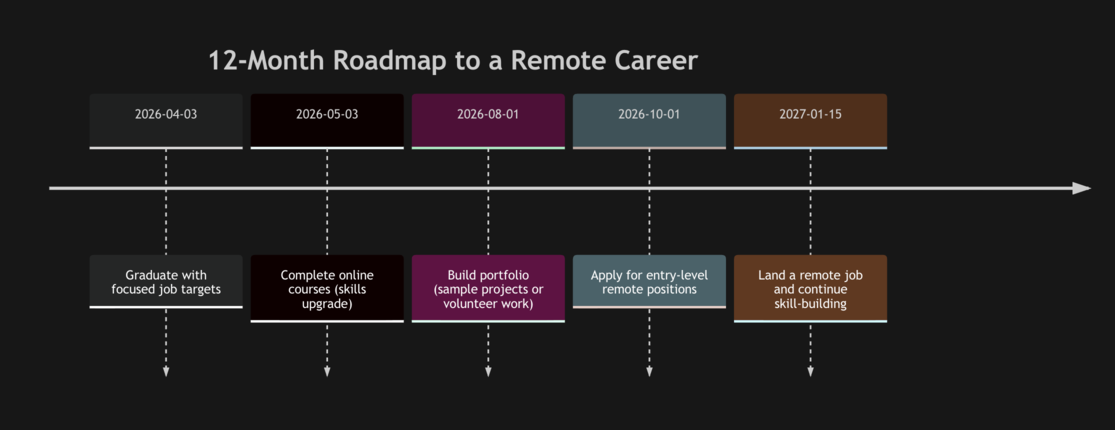
Remote work offers recent graduates a practical path into the workforce without waiting for the "perfect" in-office role. Instead of a long job hunt, fresh grads can start gaining experience immediately through flexible, entry-level positions. This guide explains what remote work really entails for graduates, realistic expectations, and nine specific remote roles graduates can pursue now. Each job section covers typical tasks, entry requirements, pay ranges, and concrete tips for getting started. An appended table compares these jobs by difficulty, pay, and growth, and a simple roadmap illustrates how a new grad might progress from zero experience to a mid-level remote role in about a year.
Why Remote Work Is Worth Considering
Remote work has become a mainstream career path, not just a pandemic fad. For new graduates, it offers immediate benefits:
- Start Earning Sooner. Rather than waiting for a traditional office job (which can take months), graduates can land a remote gig with fewer formal requirements. Even a modest entry-level remote position can provide income quickly, easing financial pressure after college.
- Rapid Skill-Building. Remote roles—even simple ones—teach valuable skills: professional communication (via email/Slack), time management (self-scheduling), and familiarity with digital tools (like Google Workspace or CRM software). These skills boost any resume.
- Flexibility. No daily commute means more time and lower costs. Many remote jobs let you set hours or work in different time zones, so you can learn or freelance on the side. Flexibility can improve work-life balance, and studies show most workers say flexibility boosts productivity.
- Global Opportunities. You're not limited to local companies. Many startups or international firms hire talent worldwide. Graduates searching "best remote jobs for graduates worldwide" tap into this global market. (In practice, some companies hire internationally while others require you to live in certain countries or be willing to contract legally – we'll cover that later.)
In short, remote work lets graduates jumpstart their careers. It's a viable way to earn and learn immediately, while building a professional track record.
What Fresh Graduates Should Realistically Expect
Remote work is attractive, but success requires realism and effort. Here are key expectations and challenges:
- Not All Roles Are Truly "No Experience." Some entry-level remote jobs still expect basic professional skills. For example, many customer support or virtual assistant positions require clear writing and comfort with email/Slack. Even data entry roles often use specific software (Excel, CRM systems) and need accuracy. Graduates should highlight any related experience – e.g. part-time jobs, volunteer work, class projects – to prove they can handle basic tasks.
- High Competition and Screening. Because remote jobs attract applicants from anywhere, competition can be fierce. Employers often use skills tests or a short probation/trial task. Prepare to demonstrate competence: for writers, have a mini-portfolio of writing samples; for tech roles, a GitHub repo or a simple coding challenge; for sales/support, brush up on people skills and maybe record a short practice call.
- Scams and Low-Pay Pitfalls. Beware of scammy "jobs" that require upfront fees or promise high pay for minimal work (common in transcription or tutoring). Real remote jobs will never ask you to pay to apply or train. Also, entry-level pay is often modest: think lower $20s per hour in the U.S., or equivalent entry-level salaries worldwide. Don't expect a senior-level salary on day one. Focus first on gaining legitimate experience, then leverage that for higher pay later.
- Mixed Work Environments. Some "remote" jobs are truly anywhere, but others are "remote-first" within a country. For example, Amazon and other big firms offer work-from-home roles in customer service or tech support, but usually only within certain regions (often requiring legal right to work or residence). Graduates should note whether a job is open to international applicants or limited by location.
Overall, treat remote entry jobs like any other early-career role: they're stepping stones. Expect to start small, learn fast, and network even if it's "over Zoom." (Many companies try to integrate new hires with team calls and online training.) With persistence and by building a track record, graduates can move from these simple roles to more advanced positions within 1–2 years.
4 Main Industries with Entry-Level Remote Jobs
Many entry-level remote opportunities cluster in a few industries. Knowing these can help you focus your job search:
- Technology. Includes junior developers, QA/testers, tech support, and IT helpdesk roles. Companies frequently hire junior software developers or support engineers remotely. These jobs require specific skills (coding languages, software knowledge), but many accept self-taught or bootcamp graduates. If you studied computer science or did personal coding projects, tech roles offer high growth and pay.
- Sales & Lead Generation. Remote sales roles include inside sales, tele-sales, and lead qualification. Tasks often involve reaching out to potential clients (via email/LinkedIn), managing leads in CRM software, and assisting senior salespeople. Formal sales experience isn't always needed—strong communication and persistence are key. For example, an enthusiastic graduate might start as a Sales Development Representative (SDR) for a startup, earning commission on leads they nurture.
- Marketing & Content. Many businesses look for remote help with online content. Roles include content writer, social media assistant, SEO coordinator, and email marketing support. Tasks range from blog writing and graphics creation to scheduling posts. Portfolios matter here: even a blog you started in college can demonstrate your writing or social media savvy. Marketing jobs value creativity and basic analytics; formal degrees in marketing aren't mandatory, but a knack for storytelling and digital tools (like Canva or WordPress) helps.
- Administration & Customer Support. Virtual assistants, data entry clerks, customer support reps, and general admin helpers fall here. These roles often require strong organization, attention to detail, and customer-service attitude. Typical tasks: managing calendars, responding to emails, updating databases, and providing front-line support via chat or phone. While tasks might be simple, consistency and reliability are crucial. Many startups and online businesses are open to hiring entry-level candidates for these roles.
Each industry has its own pathways and jargon, so use targeted searches. For example, use keywords like "remote developer internship", "remote SDR entry level", or "virtual assistant no experience." Combining the industry focus with your interests (e.g. tech, creative writing, helping people) will help you apply purposefully instead of randomly shooting applications.
1. Virtual Assistant
A Virtual Assistant (VA) handles administrative tasks remotely for a person or company. Think of it like being an office assistant, but from home. Typical tasks include managing email inboxes, scheduling appointments or Zoom meetings, booking travel, and doing quick research (like finding stats or vendor info). You might also help with basic bookkeeping (e.g. tracking receipts) or organizing project files on Google Drive. For example, one recent grad described her first VA task as updating a shared calendar and drafting reminder emails for a small startup's weekly meetings.
Entry Requirements
Very friendly to beginners. Employers expect good organization, clear English (written and often spoken), and comfort with basic tools (Gmail, Google Calendar, spreadsheets). Many VA jobs don't require a degree or prior experience – they look for an ability to learn and communicate. (However, showing a knack for multitasking or past customer service work can help.) A professional email address and a simple home workspace are a plus.
Bridging the Experience Gap
If you've never been a VA before, start by helping someone you know. For example, assist a family member's small business or a professor with scheduling. Use that as "experience" on your résumé. Take short online courses on organization or tools like Google Workspace or Trello. Sites like Coursera or LinkedIn Learning offer basic training (sometimes free). Being tech-savvy (even with free tools like Zoom or Slack) will make you stand out.
Expected Pay Range
Varies widely by country and client, but generally $10–$25 per hour in the U.S. for beginners. (Globally, expect a similar range in USD equivalents.) Some VAs charge as low as $8–$12 if they're brand-new, or higher if they have special skills (like bilingual support). Many listings say "starting at $X/hr" and increase after a trial period. Entry VA jobs typically pay less than tech or sales roles, but the experience is valuable.
Pitfalls to Watch
Watch out for ads that promise "$50/hr easy data entry" or ask you to pay for "training." Real employers won't charge you to start. Some listings may be part-time "pilot" tests (be sure to confirm the nature of the gig). Also, be cautious when signing up on freelancing sites – read reviews of clients if you can, to avoid low-ball rates.
Pro Tips
- Set Up Efficiently: Familiarize yourself with free tools (Google Workspace, Trello, Asana). Small improvements (like keyboard shortcuts) save time.
- Highlight Soft Skills: On your resume and cover letter, emphasize reliability and communication. For example: "Managed scheduling and emails for student organization, ensuring no conflicts."
- Start Small: Offer to do a short trial or a small task first. Once you deliver quality work (e.g. a well-organized spreadsheet of contacts), many employers extend longer hours.
A virtual assistant role is often the quickest way for a graduate to land some remote income. It may not be glamorous, but it gets you working remotely, builds your confidence, and trains you in professional online communication (an invaluable asset).
2. Customer Success Associate
A Customer Success Associate (or Support Associate) ensures that customers or users are satisfied with a product or service. Unlike technical support (which fixes bugs), customer success is proactive and relationship-focused. In practice, you'll answer user questions, guide them through basic troubleshooting, and follow up to ensure satisfaction. For example, a SaaS startup might hire you to help new users set up accounts, answer chat or email inquiries, and collect user feedback. It's like being a helpful guide: "Hi, I noticed you have questions about our app; can I schedule a quick call to show you around?"
Entry Requirements
Companies often provide training for this role, so they value traits over formal experience. Key skills are communication and empathy. You might need to speak/write clearly and politely, and sometimes know a bit about the product (but not necessarily have experience). Basic computer literacy and a quiet workspace (for calls) are usually required. Some jobs might ask for "1+ years in customer service" (which could include non-remote roles), but many will hire promising new grads if you demonstrate strong interpersonal skills.
Bridging the Gap
Even if you haven't worked as a Customer Success Associate, highlight any customer-facing experience: retail jobs, tutoring, or volunteer roles. Practice by helping a friend learn a software or manage an order. You could also do a small online course on customer service skills – it shows initiative. Joining communities (like Slack groups for certain software) and answering questions there is good informal practice.
Expected Pay Range
Salaries vary. In the U.S., entry-level support roles often start around $15–$25 per hour (or about $30K–$50K per year), depending on company size and location. Tech startups may pay less hourly if part-time but offer stock; corporate roles (even remote) pay more consistently. Global salaries will adjust to local cost of living. Don't fixate only on pay—look at the company training and growth potential too.
Pitfalls to Watch
Some "customer support" jobs are just outsourced call-center gigs with limited learning. Aim for roles labeled Customer Success or Client Services rather than generic "agent" jobs, as they tend to be more invested in your development. Also, avoid freelance "frequently asked question" gigs that pay per answer (these often pay poorly per hour of effort). Legitimate companies usually pay hourly or salary.
Pro Tips
- Learn Product Basics: Before interviewing, try to get a demo of a product you'll support (many offer free trials). Knowing basics helps you feel confident on day one.
- Practice Communication: Clear writing is key (mistyped advice can confuse a customer). Draft answers or practice explaining a concept in writing to a friend.
- Use Real Tools: Familiarize yourself with ticketing or CRM systems (e.g. Zendesk, Salesforce basics). Many have free demos online; knowing even general concepts (like tagging tickets, follow-ups) helps your resume.
Customer success roles are great if you enjoy helping people solve problems. They often lead to roles in project management, sales, or advanced support. Starting here means building strong customer-handling skills early in your career.
3. Content Writer
A Content Writer creates written material for websites, blogs, newsletters, social media, and other online platforms. As a beginner, you might be asked to write short blog posts (500–1000 words), product descriptions, or draft social media updates. For example, a startup might need weekly blog articles explaining industry trends, or an e-commerce site might hire you to write catchy product descriptions. You'll often do some topic research, then write in a clear, engaging style. It's akin to being a storyteller or journalist who works from home.
Entry Requirements
Writing skills are the core requirement. Good spelling/grammar and the ability to write clearly are essential. Many employers ask for writing samples (blog posts, class essays, personal projects). If you have none, start one: even a small blog or Medium posts on topics you know can serve as a sample. Familiarity with SEO (search keywords) or CMS platforms (like WordPress) is a plus, but beginners can learn on the job. Formal experience isn't always needed, but demonstrate your writing voice and reliability.
Bridging the Gap
Build a portfolio with volunteer or speculative work. Offer to write posts for a friend's website or a campus newsletter. Use a free portfolio site (like WordPress or GitHub Pages) to collect your best writing. Completing a short online course on content writing or SEO can make you stand out. Practice receiving feedback: have peers proofread your work and revise accordingly. The more writing you produce and polish, the stronger your application.
Expected Pay Range
Content writing pay varies widely. In the U.S., entry-level content writers might make around $20–$35 per hour (about $35K–$60K annually) for part-time, depending on skill and subject matter. Freelance rates can be $0.03–$0.10 per word for beginners (meaning a 500-word article might pay $15–$50). Experienced content writers earn more, but start modestly—clients often test new writers with smaller assignments. Globally, rates will adjust; for example, beginner freelance writers might earn $10–$25 per hour in many countries.
Pitfalls to Watch
The writing field has many low-paying gigs. Be wary of posts offering "$5 for 1000 words" – that's below minimum wage. Look for reputable sites or companies. Don't ignore contracts: ensure they promise payment for your published work. Also beware of content mills that require paying upfront for training or portfolios. Real jobs will pay you to write, not the other way around.
Pro Tips
- Create a Writing Portfolio: Even a Google Drive folder of your best essays or an online blog counts as a portfolio. Link to these in your applications.
- Optimize for SEO (Basics): Learn how to naturally use keywords by reading beginner SEO guides (many free online). Showing an article with decent search-friendly structure impresses employers.
- Pitch Ideas: Instead of waiting to be assigned topics, propose a few story ideas in your cover letter. It shows initiative and passion. (For example: "I noticed your blog hasn't covered [topic]; I'd be happy to draft an introductory article.")
Content writing is an excellent remote job for graduates who enjoy writing and research. It can start as a side gig or part-time job, and with a solid portfolio, it can scale into full-time marketing roles or freelance entrepreneurship.
4. Data Entry Clerk
A Data Entry Clerk inputs and updates information in databases or spreadsheets. Tasks are straightforward: transferring data from forms, surveys, or scanned documents into a company system; cleaning up data (fixing typos, standardizing formats); or sorting files. For example, a graduate might take volunteer sign-up sheets and enter them into a CRM or spreadsheet, ensuring each entry is accurate. It's the "bread-and-butter" clerical work of remote admin.
Entry Requirements
Very minimal technical requirements. You need a reliable computer and internet, plus basic knowledge of Excel or Google Sheets. Attention to detail is crucial – employers care about error-free work. No advanced education or experience is generally needed, but you may be asked to pass a typing speed/accuracy test. For instance, some jobs require ~50+ words per minute. If you can type quickly and double-check your work, you're qualified.
Bridging the Gap
If you lack formal experience, highlight other examples of accuracy. Maybe you managed inventory for a club, or maintained digital notes. Practice by doing quick data projects (e.g. compiling a list of all your department's students from a PDF into a spreadsheet). Taking a short course on Excel basics (free on Khan Academy or YouTube) can boost confidence and resume appeal. Joining crowdsourced data tasks (like transcribing public domain books on Librivox) can also be practice.
Expected Pay Range
Data entry jobs typically pay on the lower side. In the U.S., expect roughly $12–$18 per hour (maybe $25K–$35K per year) for entry-level roles. These jobs often pay hourly. Some listings might pay per entry or per project, but make sure the rate is reasonable. Pay can be lower in global terms, so many companies outsource to regions with lower living costs (e.g. $5–$15/hr in some countries). The role is rarely high-paid, but it can be a good stepping stone for someone needing immediate work-from-home income.
Pitfalls to Watch
Data entry is also rife with scams. Avoid any "job" that asks you to deposit a check or pay for a "training packet." Genuine data entry work just pays you to enter data. Also, be careful of unsolicited emails "offering" typing jobs; stick to known platforms or company sites. Because the work is repetitive, also beware of burnout – set realistic goals (e.g. entries per hour) and take breaks to avoid typos.
Pro Tips
- Practice Typing: Use a free online typing tutor (like typingtest.com) to improve speed/accuracy. Faster typing can let you finish tasks sooner.
- Use Tools Efficiently: Learn basic keyboard shortcuts (Ctrl+C/V, sorting data). Simple proficiency can shave minutes off repetitive tasks.
- Maintain Quality: Double-check your own work. One good habit is to enter data and then quickly scroll through to see if anything looks off (e.g. missing fields). A reputation for accuracy leads to more work or better-paying projects.
Data entry is one of the easiest remote jobs to start, especially if you have little experience. The pay may not be high, but it's straightforward work that can build your resume and fund further skill development.
5. Junior Software Developer
A Junior Software Developer assists in building, testing, and maintaining software applications. This is more technical than most roles above. Tasks might include writing simple code, fixing bugs, or developing basic features under supervision. For example, you might help a team convert design mockups into a webpage using HTML/CSS, or write a small function in Python to process some data. It's a true developer role, just at the entry level.
Entry Requirements
Here, "no experience" is relative. Employers typically expect you to have coding skills – usually demonstrated through a degree in CS, a coding bootcamp certificate, or personal projects. Languages vary (JavaScript, Python, Java, etc.) based on company tech stack. Expect to show examples of your code (a GitHub portfolio with sample projects is very helpful). Fresh grads with a CS degree, or graduates of reputable coding bootcamps, have a big advantage. However, completely self-taught newbies can still break in if they have a solid personal project (like a small app or a technical blog) to show.
Bridging the Gap
If you lack formal credentials, start learning online. Platforms like freeCodeCamp, Codecademy, or Coursera offer free or low-cost coding curricula. Work on small projects: build a personal website, a simple game, or an app that solves a problem you have. Contribute to open-source projects (even small fixes) on GitHub to demonstrate teamwork. Many companies value demonstrable ability; for instance, some job ads say "if you can't share your GitHub, maybe you're not ready." So create that GitHub! Also, consider internships or freelance gigs (even at low pay) to get real experience.
Expected Pay Range
One of the highest potential among entry roles. In the U.S., remote junior developers might start around $60,000–$80,000 per year (~$30–$40/hr) depending on location and company. In tech hubs or big companies, even juniors can earn mid-$70Ks. Freelance rates can be $20–$50/hr for beginners on platforms like Upwork (depending on skill). Global rates vary: developers in India or Eastern Europe might earn $15–$25/hr junior-level. Remember, pay for developers climbs quickly with experience – starting here means strong future earnings.
Pitfalls to Watch
Impostor syndrome is real: many juniors doubt themselves. But try not to undersell yourself. Also, ensure you actually like coding; it can be frustrating when things break! A better pitfall to watch is taking on too much too fast. Avoid freelance clients who want full apps overnight for low cost; these often undervalue your work. On the job side, some positions call themselves "junior" but expect mid-level skills; carefully read job descriptions (they usually list years of experience or required frameworks).
Pro Tips
- Build a Portfolio: Have a GitHub (or similar) with at least 2-3 projects you can talk about. Even simple tasks, like a personal blog site you coded or a solved coding challenge, show initiative.
- Learn Version Control: Familiarize yourself with Git/GitHub; most developer roles require it. Use it for your projects to practice.
- Ask for Feedback: In coding communities (Stack Overflow, Reddit's r/learnprogramming) or local meetups, ask more experienced devs to review your code. Constructive critique can improve your skills rapidly.
If you have any technical background or strong interest in coding, this role is the strongest long-term path. It may require the most work upfront to qualify, but it also opens doors to high-paying, advanced roles quickly. Even a few months of dedicated learning can position a grad for a junior developer job.
6. Sales & Lead Generation Assistant
A Sales/Lead Generation Assistant helps companies find potential customers and set up initial contact. In practice, you might compile lists of leads (finding company contacts via LinkedIn or directories), send introductory emails, or schedule follow-up calls. For example, a software startup might hire a remote assistant to research small businesses in their target market and send personalized outreach emails. It's often entry-level sales work, laying the groundwork for the sales team.
Entry Requirements
Very beginner-friendly if you have good communication. Expect to do research and outreach, so basic proficiency with spreadsheets and email is needed. Being persuasive (in writing or speech) helps, as you'll often write cold-emails or pitches. Formal sales training isn't required, but companies may test you with a sample email or task. A friendly, outgoing attitude and persistence (handling rejections) are more important than a degree. Often these roles ask for some phone or emailing experience (even in retail), but a positive attitude and willingness to learn a CRM tool (like HubSpot or Salesforce basics) can get you hired.
Bridging the Gap
Highlight any experience connecting with strangers or organizing info. For example, say: "Managed a club membership drive, reaching out to 50 potential members via email and phone." If you haven't done sales before, offer to do a small project for free – e.g. reach out to your campus industry contacts and report back. This shows initiative. You could also take short online lessons in sales techniques (HubSpot Academy has free courses on sales). Learn one CRM tool enough to say you've used it. The more you can show you understand basic sales language (like "leads," "follow-up," "pipeline"), the better.
Expected Pay Range
Similar to customer support. In the U.S., base pay might be $15–$25 per hour, often plus commission. Many assistant roles start hourly or a small salary, with bonuses for meetings set or deals closed later. Globally, rates adjust: for example, virtual sales assistants in some regions earn $5–$15/hr. Note that real sales jobs often reward results, so performance can quickly increase total pay. Entry roles won't promise a big salary upfront, but doing well in an assistant role can lead to moving up to full sales representative (higher pay).
Pitfalls to Watch
Spam pitfalls are common. Make sure to craft genuine, personalized outreach rather than blasting generic messages (it's more effective and ethical). Also beware of companies that expect "work for leads" without fair compensation. Legitimate employers pay you to do the research and initial contacts (and will provide some training/criteria for leads). If someone offers a "secret" telemarketing script or pyramid-scheme vibe, avoid it.
Pro Tips
- Research Thoroughly: When given a target industry or list, learn about each lead (visit websites, find social profiles). The more you personalize outreach ("I saw your recent blog post on X…"), the higher your success rate.
- Track Everything: Use free CRM trials or even a spreadsheet to track who you contacted, when, and the outcome. Demonstrating this organization in your job (or resume) shows professionalism.
- Learn a Sales Tool: Many companies use tools like Salesforce, Pipedrive, or HubSpot. Spend a few hours on their free tutorials. Even stating "Familiar with CRM tools" can boost your profile.
Sales assistant roles teach you how to sell and speak business language, invaluable in any career. They also let you practice resilience and persuasion. For a graduate, succeeding here can lead to roles in business development or account management later.
7. Social Media Support/Manager
A Social Media Support/Manager role involves handling a company's social media presence. For an entry-level position, duties might include scheduling posts on platforms (e.g. Instagram, LinkedIn), responding to comments or DMs in a friendly way, and creating simple graphics or content. For instance, a small brand might hire a recent grad to post three times a week, track likes/comments, and suggest trending topics (like hashtags or memes) to engage the audience.
Entry Requirements
Creativity and social media savvy are key. Employers look for someone who can write short, engaging content and has used platforms like Facebook, Twitter, or TikTok extensively. Familiarity with a graphic tool (like Canva) or basic video editing can be a plus. Formal marketing experience isn't mandatory if you demonstrate what you know. Having run a college club's Instagram or a personal blog on social channels can serve as evidence. Familiarize yourself with analytics dashboards (like Facebook Insights) on your own profiles to mention on your resume.
Bridging the Gap
Start by managing a social account even informally. If you volunteered to handle your campus org's social pages, include that. Take a free short course on social media marketing (many available online) to learn scheduling tools (Hootsuite, Buffer) and best practices (optimal posting times, hashtag strategy). Follow industry blogs (like Social Media Examiner) to mention one or two current trends in your cover letter – it shows you're on the pulse.
Expected Pay Range
Entry social media roles often pay around $15–$30 per hour ($30K–$50K annually). Agencies or tech startups may pay in that range for part-time managers; freelance content creators might earn $10–$25 per post, depending on volume and complexity. Remember that small business budgets are tight, so rates can be lower there, whereas corporate or marketing agencies pay more. Growth can be fast if your campaigns deliver results (which leads to full-time digital marketing roles).
Pitfalls to Watch
Social media is saturated with entry-level applicants. Stand out by showing actual engagement metrics if possible (e.g. "grew page followers by 20% over three months"). Avoid claims like "I'm always on Instagram so I know how to manage it" without proof – give specifics. Also be aware of copyright rules: always use licensed images or creative commons content. Posts that infringe copyright can get you into trouble even at an entry level.
Pro Tips
- Build Your Personal Brand: If you have an Instagram, Twitter, or LinkedIn, polish it. Make at least one good post that you can point to as an example of your skills.
- Learn Basic Design: Canva (free online design tool) is almost ubiquitous; experiment with it to make sample posts. Having one or two neat graphics or infographics can impress interviewers.
- Stay Trendy: Follow social media news (e.g. changes in algorithms, new features like Instagram Reels). Even a one-liner in an interview, "Did you know TikTok now lets you schedule posts in advance?" shows you care about the field.
Social media roles allow creative expression and often flexible hours (some tasks can be done on a schedule, not fixed times). They provide a fun starting point for a career in digital marketing, advertising, or brand management.
8. Online Tutor
Online Tutoring means teaching academic subjects or languages via video call platforms. As a fresh graduate, you can tutor subjects you excelled in (e.g. math, science, English). For instance, if you studied biology, you might help high school or college students understand it. Common platforms (like Tutor.com, Chegg Tutors, or VIPKid for English) let you sign up and set your schedule. A tutoring session might involve explaining a concept, working through problems together, and answering student questions.
Entry Requirements
You need a strong grasp of the subject, clear communication, and usually a degree or at least coursework in that field. For general tutoring, a bachelor's degree is often required by sites. For language tutoring (like teaching English to speakers of other languages), being a native or near-native speaker is key, and some companies look for a TEFL certificate. Demonstrate patience and clarity; practice explaining things simply. A quiet, well-lit setup and a good headset can make your sessions professional.
Bridging the Gap
Use any teaching experience you have: mention if you led study groups, TA'ed in a class, or helped peers. If none, volunteer to tutor friends or neighbors to get testimonials. Many platforms ask for video introductions – make a short (1–2 min) introductory video saying who you are and why you enjoy tutoring. It's often part of the application, so prepare one professionally. Online platforms offer resources on how to tutor (lesson planning, online whiteboards), so read their tips to shine in interviews.
Expected Pay Range
Quite variable. In the U.S., general subject tutors might earn $15–$30 per hour at first. For specialized subjects (like advanced math or science) or very popular ones (like coding), you can charge more as you gain reviews. Language tutors (English) often make $10–$25/hr. Some services pay per lesson, others per minute. In global terms, tutors often set their own rates; even $5–$10/hr can be common for new tutors on international platforms. High-end tutoring (especially one-on-one test prep) can pay much more, but that requires experience and credentials.
Pitfalls to Watch
Beware of agencies that take large cuts or promise students for a fee. Legitimate tutoring platforms pay you per session or lesson, not the other way around. Also, ensure you understand the cancellation policy so you don't lose pay unfairly. If working with kids, have basic safe-guarding measures (e.g. a parent on the call sometimes). Lastly, don't promise outcomes you can't deliver; be honest about your level (e.g. don't claim to tutor calculus if you barely passed it).
Pro Tips
- Create Lesson Plans: Even simple outlines (topics to cover, practice problems) show professionalism. You can find free worksheets online as practice material.
- Ask for Feedback: After a few sessions, ask students (or their parents) if they're happy and what to improve. Good feedback makes you more hireable (some platforms show ratings).
- Use Visual Aids: Learn to share your screen or use an online whiteboard. If teaching math, write out equations clearly. Good visual explanations can make you stand out.
Online tutoring not only brings income but also reinforces your own knowledge. It's flexible: you set your availability (often tutoring happens afternoons/evenings or weekends). It's ideal if you enjoy teaching and want a structured yet remote role.
9. Transcriptionist
A Transcriptionist turns spoken audio/video into written text. This can include interviews, podcasts, medical notes, or legal proceedings. For example, you might listen to a recorded meeting and type out everything said (verbatim or cleanly). Specialized transcription (like medical) requires knowledge of terms, but basic transcription just needs sharp listening. You might use transcription software that lets you slow down audio while you type.
Entry Requirements
Very few. You need a good ear (sometimes audio is imperfect), excellent spelling/grammar, and fast, accurate typing (often 60+ WPM is ideal). A quiet room and a good pair of headphones help. No degree is required, but some jobs (like medical transcription) might prefer certification. Many platforms (like Rev, TranscribeMe) hire beginners for short clips you can test on. If an employer gives you a test (common), practice transcribing a YouTube video yourself to prepare.
Bridging the Gap
If you're new to transcription, demonstrate fast typing skill. You can use free typing test sites to improve and note your WPM. Do a couple of practice transcripts (even short interview clips) and see how accurate you are. There are free transcription tools (like Express Scribe) you can try. On your resume, you could list "Completed 50-minute interview transcription in 1 hour with 98% accuracy" as a bullet, which quantifies your ability.
Expected Pay Range
Often paid per audio minute or per hour transcribed. Rates vary: general transcription might pay $15–$25 per audio hour at entry (so if 1 hour of audio takes you 2.5 hours, you'd earn $15–$25). Experienced transcriptionists or specialized fields can make more (e.g. $30–$50 per audio hour). On popular platforms, beginners often start low ($0.30–$0.75 per audio minute) but can increase rates with good reviews. As a guideline, expect roughly $10–$20 per hour of working time initially. While not high, transcription is flexible (work 15 minutes or 2 hours at a time) and can be scaled by taking on more projects.
Pitfalls to Watch
Low-quality jobs exist. Be wary of any "transcription opportunity" that promises $100/day without clarity on workload (often a pyramid scheme). Legitimate transcription platforms either pay per audio minute or have clear per-project rates. Check reviews of any new site. Also, avoid "MTurk" style gigs that pay cents per audio chunk; they usually undervalue your time. Finally, be careful about confidentiality: professional transcriptionists often sign NDAs for private recordings.
Pro Tips
- Use Foot Pedals (if possible): A USB foot pedal lets you control audio playback (pause/play) with your foot, freeing hands for typing. It speeds up transcription significantly.
- Learn Shortcuts: Invest time to learn shortcuts in your transcription software or even in Word ("CTRL+H" to replace text, etc.). Small efficiencies add up.
- Quality over Speed (first): At the start, focus on accuracy. A few hours/day with 100% accuracy is better than rushing and making errors. Many platforms give bonuses for high accuracy, which raises your effective pay rate.
Transcription is straightforward to start with almost no entry barrier. It demands patience and concentration, but for the right person it's a solid way to earn remotely. Plus, it builds your listening and typing skills, which can be useful in many other roles later.
Big Companies (e.g. Amazon) and Remote Work
Many graduates wonder about working from home at a big name like Amazon. Yes, companies like Amazon, Google, and Microsoft offer remote-friendly roles, especially in customer service, tech support, and software development. However, a few points:
- Competition & Requirements: These positions are highly competitive. Amazon's remote customer service jobs exist, but they often look for applicants with at least a year of experience or a specialized skill (like bilingual support). They also expect a quiet home office (Amazon famously requires a separate workspace). Tech roles at these companies usually need strong credentials (CS degree, relevant internships, high coding test scores). Fresh grads might aim for internships at these companies first.
- Contract vs Permanent: Many big-company remote jobs are actually contracts (e.g. seasonal customer support) or "temporary". These roles pay well during the contract but may not be full-time employment. A common strategy: start smaller, then go big. For example, gain one year of remote experience at a smaller company or as a freelancer, then apply to Amazon. Your resume will be stronger.
- Application Tips: Tailor your resume to their job description. Use keywords from the listing. For customer roles, emphasize any client-facing or tech experience. For tech roles, have code samples ready (even your college projects or GitHub links). Practice common interview questions (Amazon, e.g., has well-known Leadership Principles).
In short, big company remote jobs are possible for graduates, but usually not as the first step. Think of them as long-term goals. The practical path is: start in a smaller or entry-level remote role, then leverage that experience (and references) to move up.
Remote-Friendly Countries and Hiring Caveats
Some countries are famed for digital-forward work cultures (e.g. Netherlands, Germany, Denmark, Portugal, Spain). But remote job eligibility depends more on the company's rules than location alone. For example:
- Tax and Legal Issues: Many companies hiring "worldwide" actually require you to contract as a freelancer or incorporate a business in your country, and handle your own taxes. Others may only hire you if you're a resident of certain approved countries (often where they have a local office). Always check the job listing if it says "remote (USA only)" or similar.
- Visa Programs: Certain nations offer digital nomad visas (e.g. Estonia, Georgia, Mexico) that allow non-residents to live there while working remotely. This can be useful if you want to travel, but it doesn't affect your actual employment — you're still working for the foreign company you applied to, just from abroad.
- Focus on Skills, Not Location: The key is building in-demand skills and showing you can work independently. A strong portfolio or performance can override location concerns. For example, a German or Indian grad with great web dev skills has just as much chance at a U.S.-based startup's remote job as a U.S. grad. The main caveat is compliance: make sure any remote job truly allows your physical location.
Pro Tip: Include a quick note in your applications like "Located in [Country], authorized to work remotely for [Home country] companies" or similar, to clarify your status. Always read the fine print in a job posting about location (some say "worldwide" but limit by continent).
Is Remote Work a Good Long-Term Path?
Yes – if treated like a career, not just couch surfing. Remote work can scale into a long-term, high-growth career, but with caveats:
- Discipline Matters: Remote jobs demand self-motivation. No boss looking over your shoulder means you must manage deadlines and communicate proactively. Show you can handle that (e.g. mention any remote collaboration you did at school or in internships).
- Skill Over Degree: Advanced remote roles (like senior developer, digital marketing lead, project manager, etc.) will pay well, but they require real skills and accomplishments. Even with a master's degree, you'll need to continually learn. For instance, many tech grad remote jobs prefer demonstrated coding ability over degrees. Think of every entry role as a stepping stone: after a year or two as a junior dev or support rep, you can go for senior roles, certifications (like AWS Cloud cert), or management positions.
- Multiple Paths: Remote experience can also springboard into freelancing or consultancy. If you gather diverse projects (say as a writer or designer), you might launch a freelance career later, often with higher rates.
In summary, remote work is as serious and challenging as traditional work. It's not "easier," just different. But for graduates eager to gain experience quickly, it's one of the fastest ways to build a professional track record, earn income, and network globally. Many professionals end up staying remote for life; others use it as a launchpad into offices or entrepreneurship.
Final Actionable Steps (Next 6–12 Months Roadmap)
Step 1: Identify Your Target Role. Review the job profiles above and pick 1–2 that fit your interests and skills. Write them down. For example: "Virtual Assistant and Online Tutor."
Step 2: Skill Building (Months 1–3). Take free/low-cost online courses or tutorials to fill gaps. For a developer role, do coding bootcamp modules; for writing, practice and maybe a writing class; for tutoring, refresh your subject knowledge or get a TEFL cert if needed. Practice relevant tools (e.g. Excel, Git, or Canva) on your own.
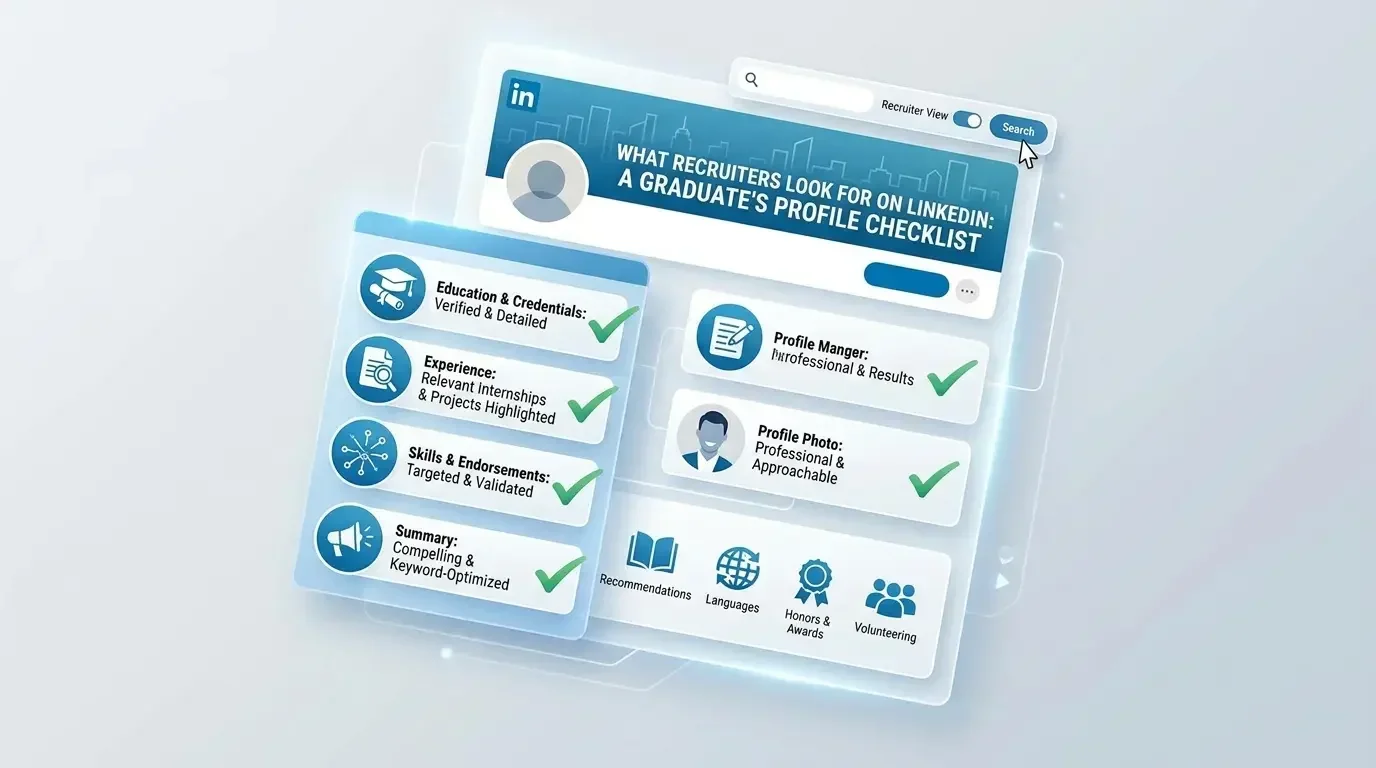
Step 3: Build Portfolio or Experience (Months 3–6). Create sample work. If VA, organize a mock calendar for a friend; if writer, publish a blog post; if dev, push code to GitHub; if tutor, do volunteer tutoring; if transcription, transcribe a 5-minute audio clip accurately. Use these as examples in applications. Update your LinkedIn and resume with these projects.
Step 4: Apply Strategically (Months 4–9). Search on job boards and company sites for your chosen roles. Customize each application: e.g. "As a meticulous communicator (VA) or a strong math student (tutor)..." Use the exact keywords from the listing in your resume bullet points. Apply broadly but thoughtfully – a dozen well-matched applications per week is better than hundreds of unfocused ones.
Step 5: Interview Prep. Practice common interview questions. For example, VA/customer roles may ask "How do you handle multiple tasks?" or "Tell me about a time you helped someone." Developer roles will include coding tests. There are many free resources online for interview prep in each field.
Step 6: Land a Role and Grow (Months 9–12). Once you secure an entry remote role, focus on doing it well: communicate clearly, meet deadlines, and ask for feedback. Keep learning on the job (e.g. explore adjacent tasks your company uses). By month 12, start thinking about the next step: possibly a role advancement or additional responsibility. Update your portfolio/resume again with this real experience.
9 Remote Jobs at a Glance
| Job | Entry Difficulty | Typical Pay (USD) | Key Skills | Time-to-Hire | Scalability |
|---|---|---|---|---|---|
| Virtual Assistant | Very Easy | $15–$25/hr | Organization, Communication, Office tools (email, calendar) | Quick (weeks) | Moderate (can become VA agency founder) |
| Customer Success Associate | Easy | $15–$25/hr | Communication, Empathy, Product knowledge | Medium (weeks–month) | High (leading to management or sales) |
| Content Writer | Medium | $20–$40/hr (or $35–60K/yr) | Writing, SEO basics, Research | Medium | High (e.g. marketing lead or freelancer) |
| Data Entry Clerk | Very Easy | $12–$18/hr | Typing, Attention to detail, Basic Excel | Quick | Low (routine tasks) |
| Junior Software Developer | Hard | $30–$40/hr ($60–80K/yr) | Programming, Git, Problem-solving | Long (months if skill gap) | Very High (senior dev, team lead) |
| Sales/Lead Generation Assistant | Easy | $15–$30/hr (plus commission) | Communication, Research, CRM tools | Medium | High (can advance to rep/manager) |
| Social Media Manager/Support | Easy–Medium | $15–$30/hr | Creativity, Social platforms, Canva | Medium | Moderate (digital marketing career) |
| Online Tutor | Medium | $15–$40/hr | Subject expertise, Communication, Patience | Medium | High (specialize or edu entrepreneurship) |
| Transcriptionist | Easy | $10–$20/hr | Typing, Listening, Accuracy | Quick | Medium (move into editing or translation) |
Legend: Entry Difficulty (Easy/Medium/Hard); Time-to-Hire indicates how long a typical hire process might take (assuming skill prep done).
Final Thoughts
Fresh graduates don't have to wait on one perfect office job. The world of remote work is wide, and many companies (from startups to global brands) hire entry-level remote positions. By focusing on your strengths and building a little experience, you can start a career now. Virtual assistant, content writing, customer success, data entry, and junior tech roles are all launchpads. From there, stay curious and keep learning.
Remember: Treat remote work with professionalism. Set up a quiet workspace, communicate reliably, and be proactive in learning. In today's job market, terms like "remote jobs for college graduates with no experience" or "best remote jobs for graduates worldwide" aren't just trending buzzwords – they reflect real opportunities. With the right approach and consistency, one of those nine roles (or related paths) could be your stepping-stone into a global, flexible career. Good luck out there!
Ready to find your first remote job? Browse verified entry-level and graduate roles on Career Builders and start applying today.